
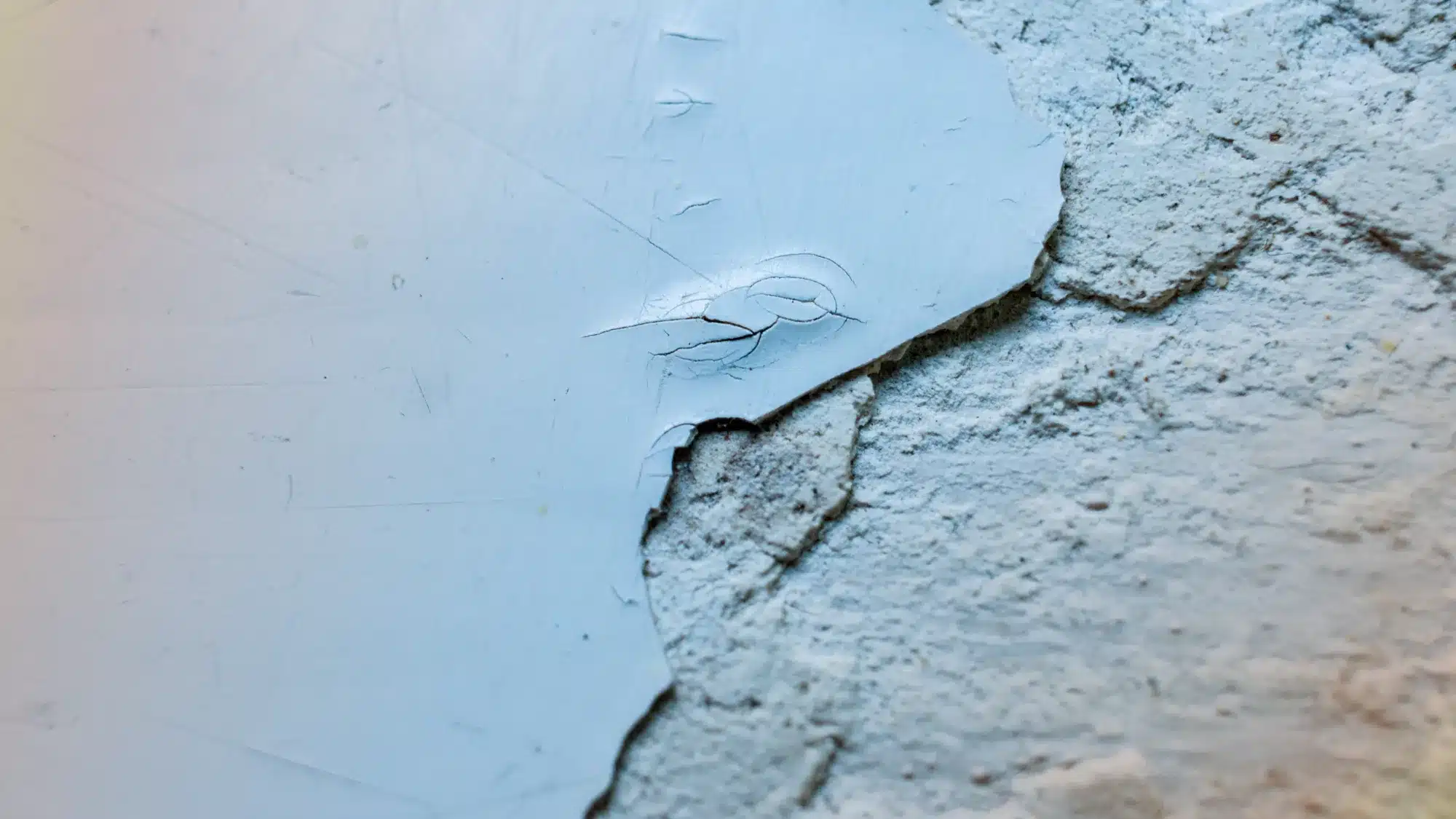
As winter approaches, stucco homeowners face a critical challenge: hidden moisture damage that often lurks beneath the surface, far beyond visible cracks. While many rely on a quick visual inspection, the reality is that moisture can infiltrate stucco walls in ways that remain undetected until costly repairs become unavoidable.
Why Moisture Damage in Stucco Is a Winter Risk
Cold weather and increased precipitation amplify the risk of water intrusion. Modern stucco systems, especially those installed since the 1980s, can trap moisture inside walls due to less breathable materials and energy-efficient construction methods. When water gets in and temperatures drop, trapped moisture can freeze, expand, and worsen structural damage.
Warning Signs: More Than Just Cracks
A reputable stucco repair company will tell you that cracks are only the beginning. Here are the most common—but often overlooked—signs of hidden moisture damage:
- Persistent Dampness: Stucco that stays wet on days after rain or snow signals water intrusion.
- Bulges or Waviness: Swelling at the bottom edge of walls often means water is sneaking in from below.
- Efflorescence: Chalky white deposits indicate water is moving through the stucco, dissolving minerals along the way.
- Peeling Paint or Bubbling Surface: These symptoms suggest moisture is trapped beneath the surface layer.
- Dark Stains or Discoloration: Especially around windows, doors, and chimneys, stains are a red flag for ongoing water damage.
- Musty Odors: A musty smell near exterior walls can mean mold is thriving on hidden moisture.
- Soft Spots or Blisters: Dents, swelling, or soft areas may point to deeper water accumulation and possible insect infestations.
How Moisture Gets In
Understanding how water infiltrates stucco is key to prevention:
Improper Flashing: Poor installation around windows and doors is a leading cause.
Missing Drainage Systems: Without a weep screed or proper drainage, water has nowhere to escape.
Sprinkler Systems & Landscaping: Water from sprinklers or planters too close to the house can penetrate stucco.
Aging or Damaged Stucco: Cracks, missing sections, or deteriorated surfaces provide entry points for moisture.
Advanced Detection: What Professionals Use
If you suspect hidden moisture, search for a “stucco repair company near me” for a thorough inspection. Experts use:
- Moisture Meters: Detect pockets of wetness behind stucco using electrical resistance.
- Thermal Imaging: Infrared cameras reveal temperature differences between wet and dry areas.
- Probe Testing: Involves drilling small holes and measuring moisture levels inside the wall—readings above 20% indicate damage.
- Video Scopes: Visualize water damage in hard-to-reach areas, though less effective if insulation is present.
Why Early Detection Matters
Ignoring early signs can lead to severe structural damage, mold growth, and expensive repairs. Moisture readings above 25% often mean the wall’s sheathing is already rotting—a problem that can spread quickly in winter conditions.
What Should Stucco Owners Do Before Winter?
- Inspect Regularly: Walk around your home and look for the warning signs listed above.
- Address Cracks Promptly: Even hairline cracks can let water in; seal them before freezing temperatures arrive.
- Check Drainage: Ensure gutters, downspouts, and landscaping direct water away from stucco walls.
- Schedule a Professional Inspection: Before winter, have a trusted stucco repair company perform moisture testing and recommend remediation if needed.
CDP Stucco is committed to helping homeowners protect their investment. Don’t wait for visible damage—take action now to prevent hidden moisture from turning into a winter disaster. For expert advice and reliable service, contact your local stucco repair company today.