
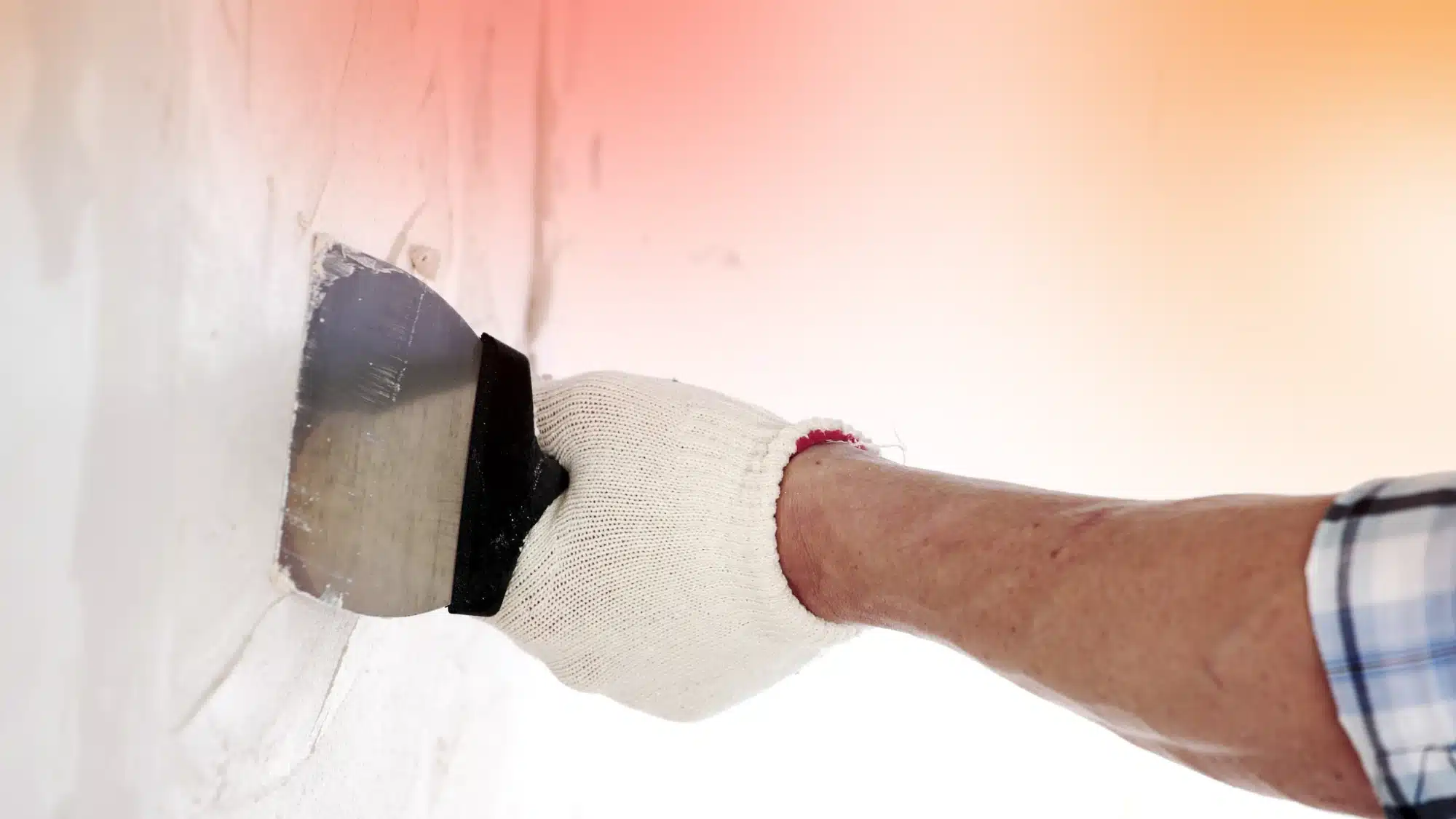
Maintaining your stucco exterior during cooler months is crucial to prevent further damage before permanent repairs can be made. Temporary patching is a practical solution when immediate, lasting repairs are not possible due to low temperatures. Below, CDP Stucco explains how to protect your home’s stucco in cold weather and why searching “best stucco contractors near me” for consultation is essential for long-term results.
Why Temporary Stucco Patching Is Needed in Cold Weather
- Cold weather slows the curing process of stucco, increasing the risk of cracks, moisture intrusion, and structural issues if repairs are rushed or improperly performed.
- Permanent repairs should be scheduled when temperatures consistently stay above 40°F (4°C), as colder conditions can prevent proper bonding and curing of stucco materials.
Steps for Temporary Stucco Patching in Cooler Weather
1. Assess the Damage
- Inspect the affected area for cracks, holes, or loose stucco.
- Identify spots where water or cold air could penetrate.
2. Clean and Prepare the Surface
- Remove loose debris, dust, and any deteriorated stucco.
- Ensure the area is dry before applying any patching material.
3. Apply Temporary Protective Measures
- Fiberglass insulation: Insert insulation into cracks to block drafts and moisture.
- Plastic sheeting: Cover the damaged area with heavy-duty plastic, securing it tightly with trim screws or tape to prevent water infiltration.
- Plywood covers: For larger holes, fasten plywood over the area and seal edges with caulk or weatherproof sealant.
- Metal flashing: Use flashing to cover cracks and prevent water seepage, especially around edges and joints.
4. Use Cold-Weather-Appropriate Products
- Select patching compounds and coatings rated for low temperatures and exposed conditions.
- Avoid traditional stucco mixes unless the temperature is consistently above 40°F.
5. Monitor Weather and Drying Time
- Only work on dry days with temperatures above 40°F.
- If temperatures are below 40°F, tent and heat the repair area to ensure proper adhesion and drying.
- Allow extra drying time between steps to prevent moisture entrapment.
Tips for Success
- Do not attempt permanent repairs until weather conditions improve; temporary patches are designed to protect, not restore, structural integrity.
- Check the weather forecast and avoid patching before rain, snow, or freezing temperatures.
- Consult the best stucco contractors near you for inspection and advice. Professional contractors have the expertise and equipment to diagnose hidden issues and recommend the safest approach for your property.
When to Call a Professional
If you notice extensive damage, moisture behind the walls, or recurring cracks, contact the best stucco contractors near you for a thorough inspection. Professionals can use advanced tools like IR thermography to detect underlying problems and plan permanent repairs when conditions allow.
Frequently Asked Questions
Can I use regular stucco mix for temporary patches in winter?
No. Standard stucco mixes may not cure properly below 40°F, leading to weak repairs and further damage.
What if the patched area freezes overnight?
If temporary materials freeze, remove and replace them as soon as possible. Permanent repairs should wait until temperatures stabilize above 40°F.
Are synthetic stucco systems better for cold weather?
Synthetic stucco (EIFS) offers more flexibility for application in varied temperatures but still requires careful timing and professional installation for best results.
Conclusion
Temporary stucco patching in cooler weather is a vital step to protect your home until permanent repairs can be made. For expert advice and high-quality service, always consult the “best stucco contractors near me” to ensure your property remains safe and sound throughout the winter months.